Mantuma Camp
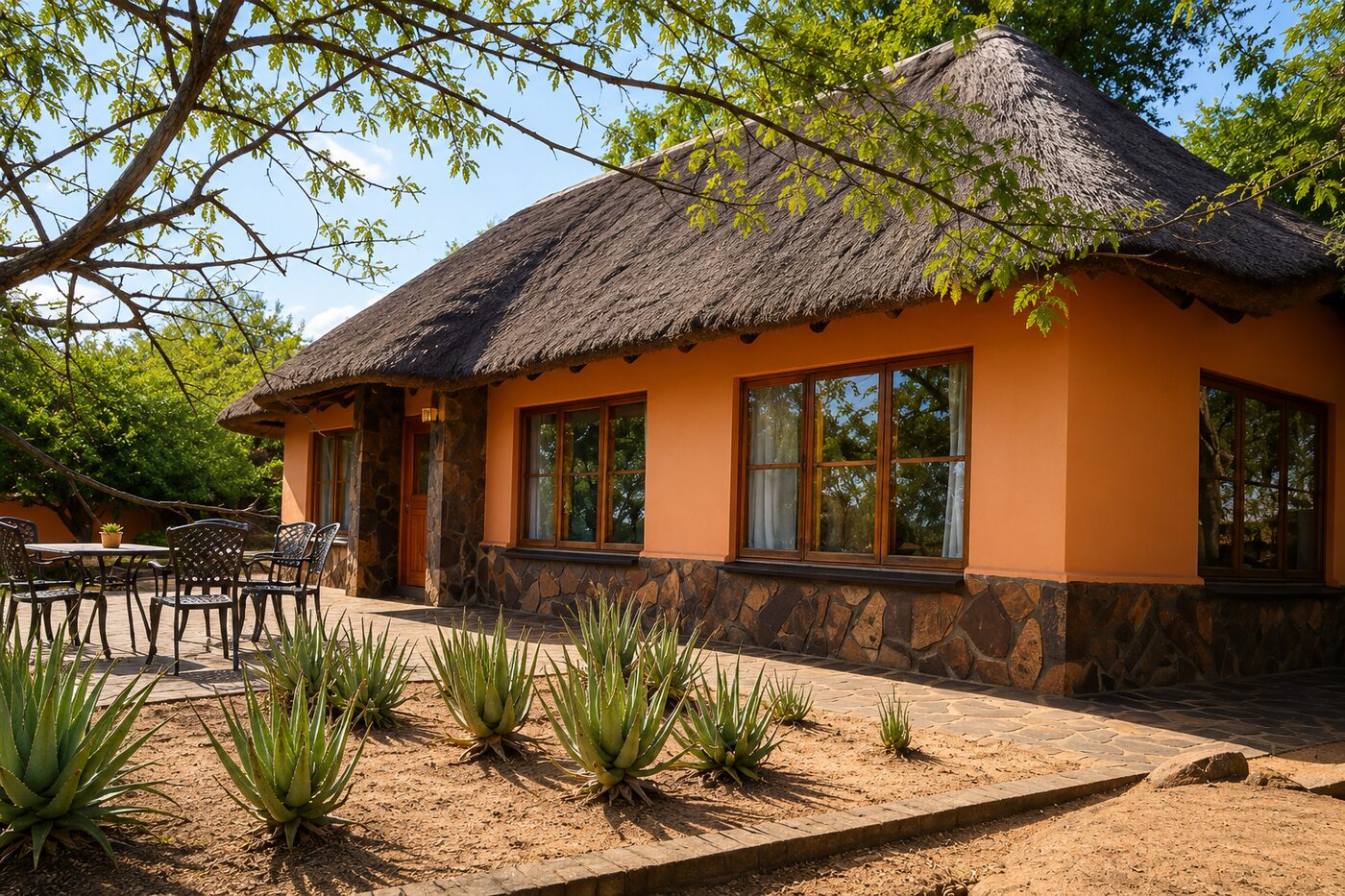
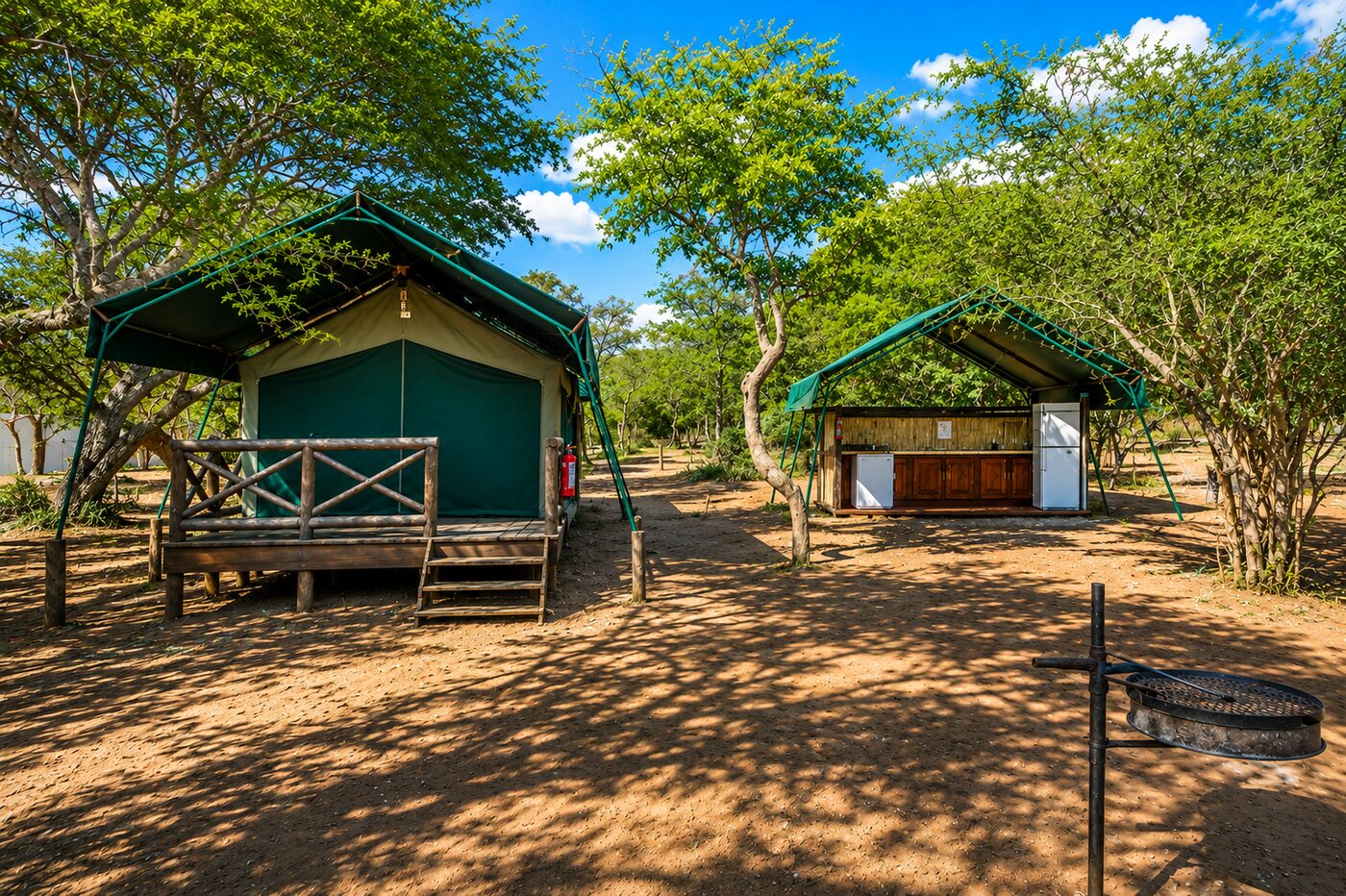
Thirty self-catering units — cottages, chalets, safari tents and rest huts — sleeping up to 84, in the heart of the reserve.
- Sleeps up to 84
- Five unit styles
- Pool, shop & self-catering

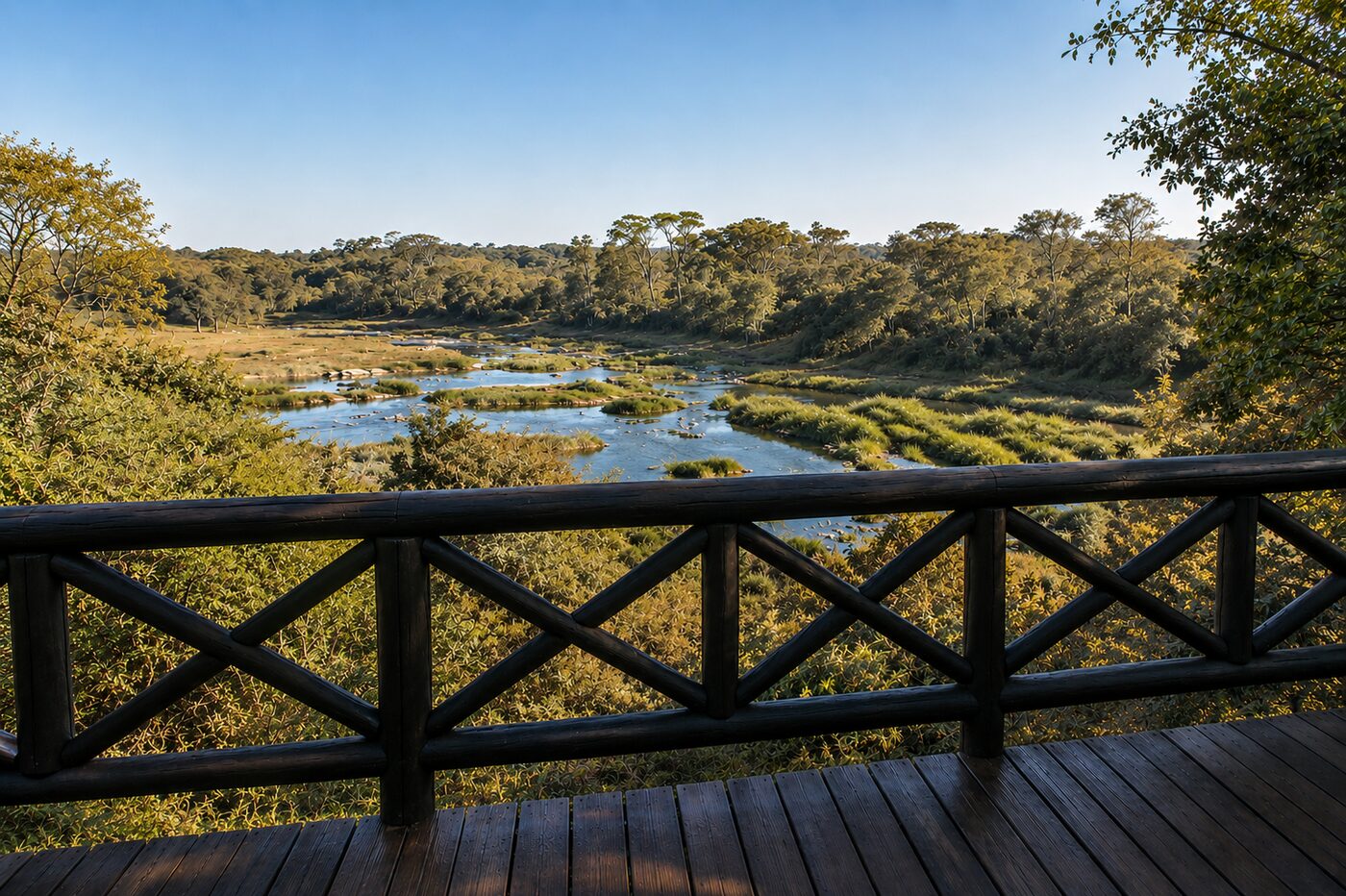
On the northern edge of KwaZulu-Natal, between the Lebombo Mountains and the iSimangaliso Wetland Park — South Africa's first UNESCO World Heritage Site — uMkhuze (its official name) stays gloriously off the beaten track. No queues at sightings. No crowded waterholes. Just you, your family, and the bush.
At its heart is Mantuma Camp, the reserve's main rest camp — a relaxed mix of thatched chalets, rustic rest huts and shaded safari tents. Beyond it lie the exclusive Nhlonhlela Bush Lodge and the easy-going Emshopi Campsite: three ways to make the reserve your own, each with its own braai stand and star-bright nights.
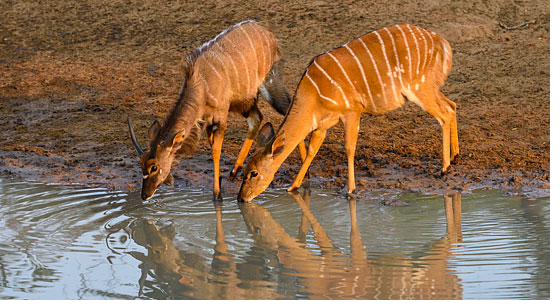
Drive your own vehicle through the loop roads. Spend an afternoon watching nyala drift in to drink at Kumasinga Hide. Cook on the fire while the bushveld settles. The team at reception have been here a long time, and they know where to point you. This is safari the old, honest way.
uMkhuze's diversity of habitats (fig forest, fever-tree pans, acacia savanna, Lebombo slopes) makes it one of the most species-rich reserves in southern Africa for its size.
Meet the Super Seven · the Big Five plus cheetah & wild dog · tap any card to read more

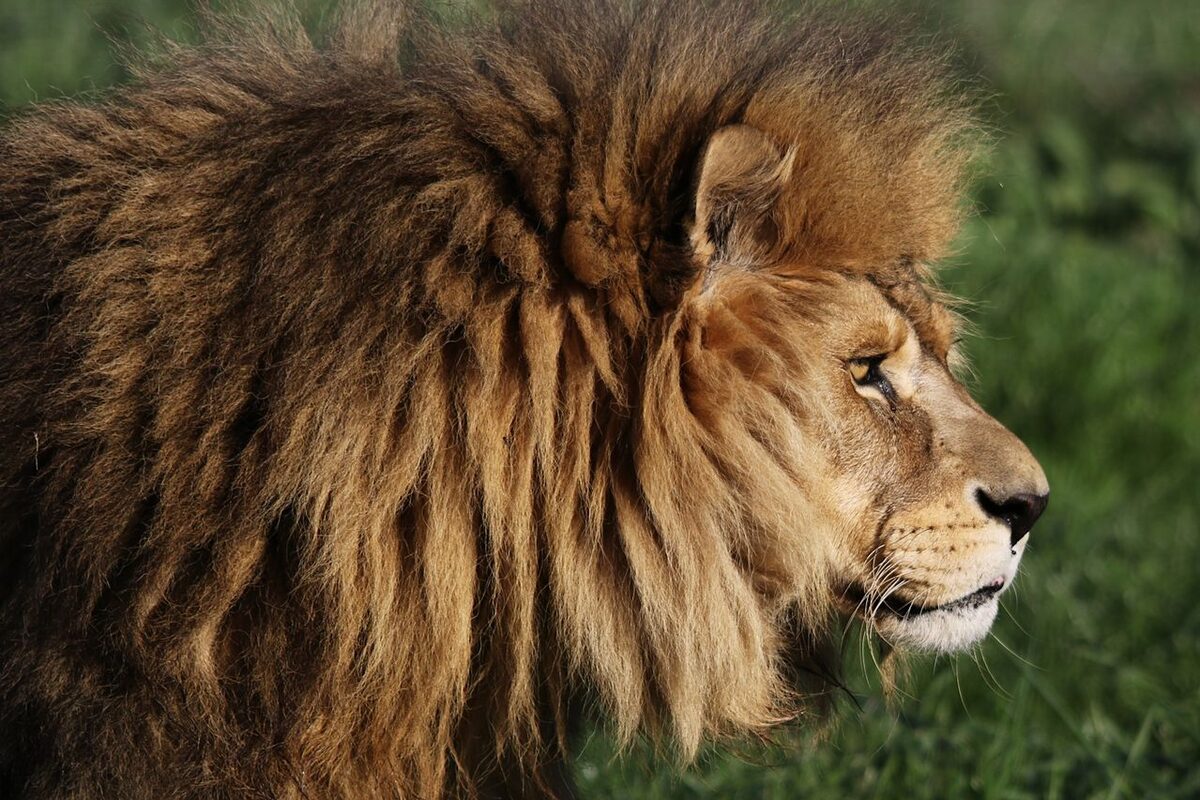
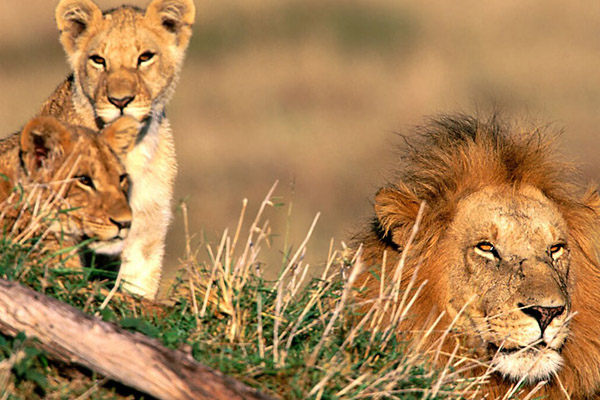
Reintroduced in December 2013 with a single lioness and three sub-adult males. Cubs have since been born and the pride has grown steadily. Morning drives along the western Lebombo offer the best sightings.

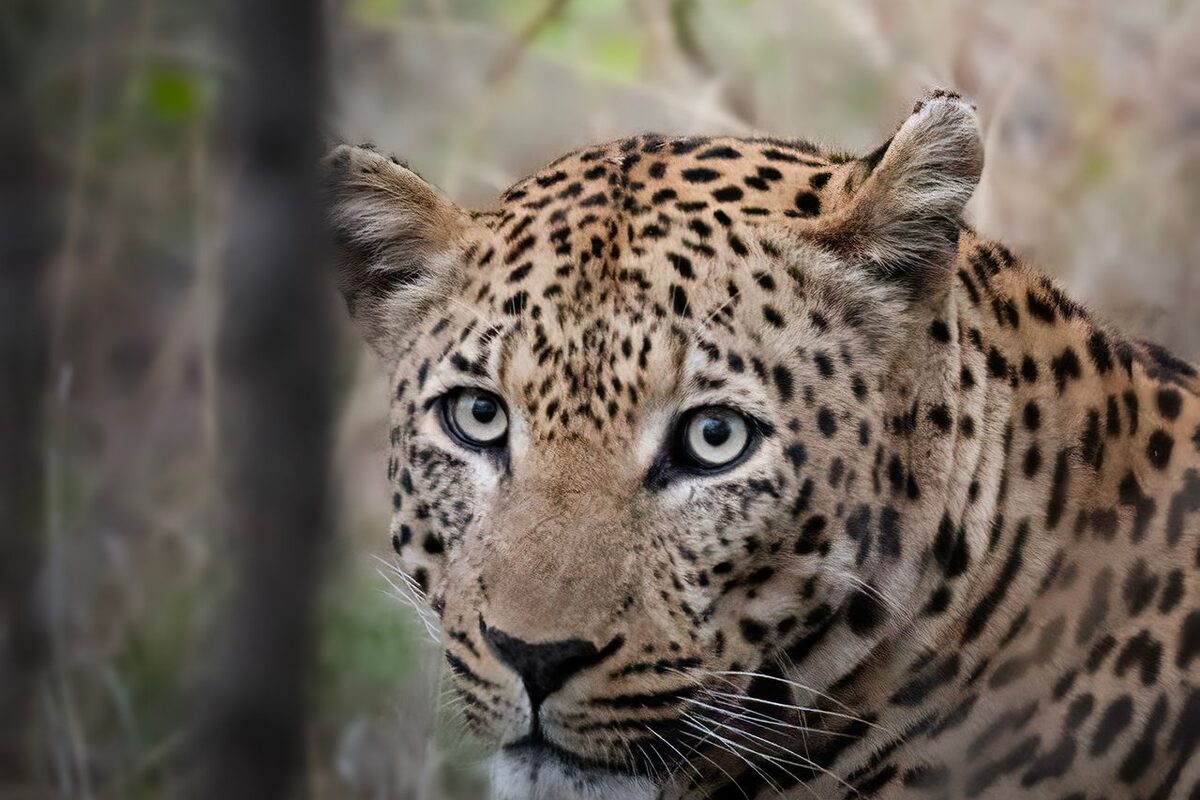
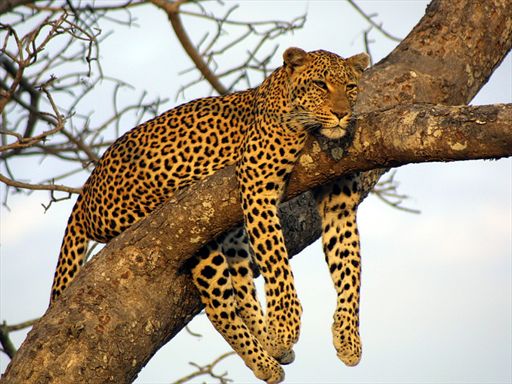
A healthy resident population, most active at dusk and dawn. Look in the fig forests along the Mkhuze River and around the waterholes. Spotted, literally, at Kumasinga hide.

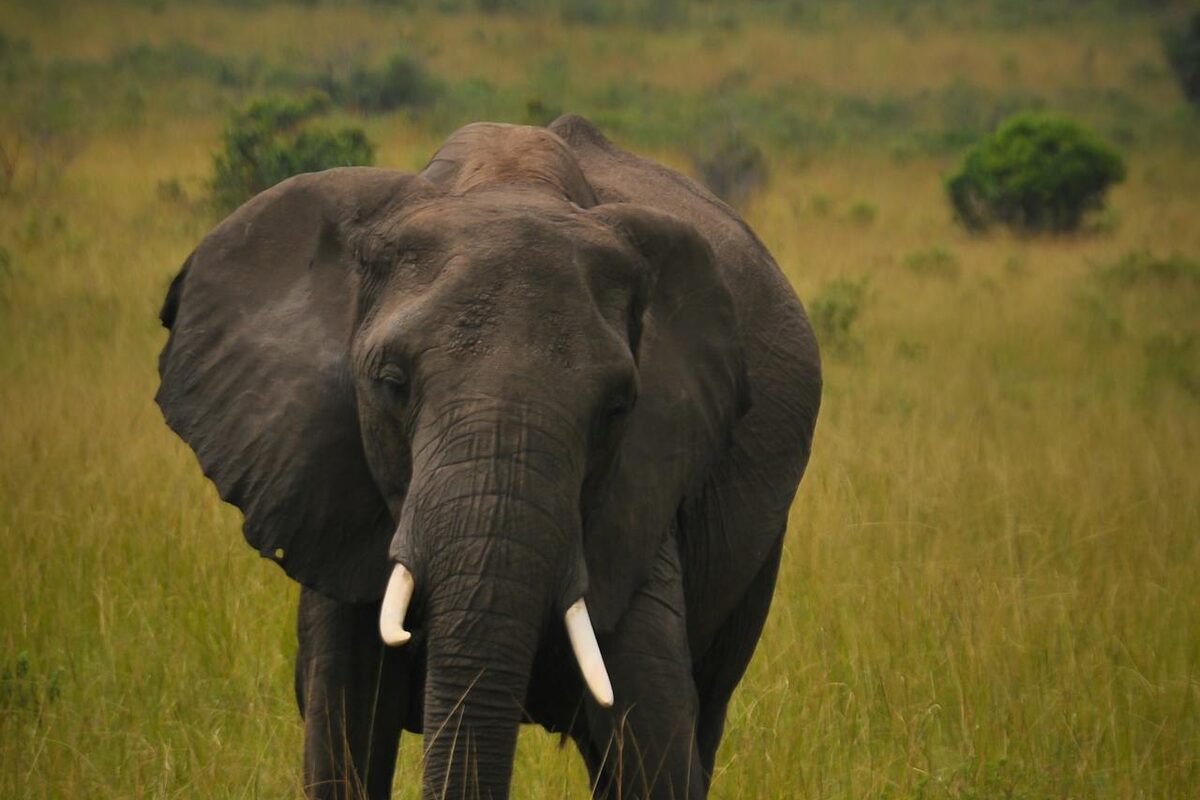
Reintroduced in the 1990s, the herd has grown to over a hundred animals. They frequent the eastern Mkhuze River floodplain and the central watering points. Unmissable at the hide on a hot afternoon.

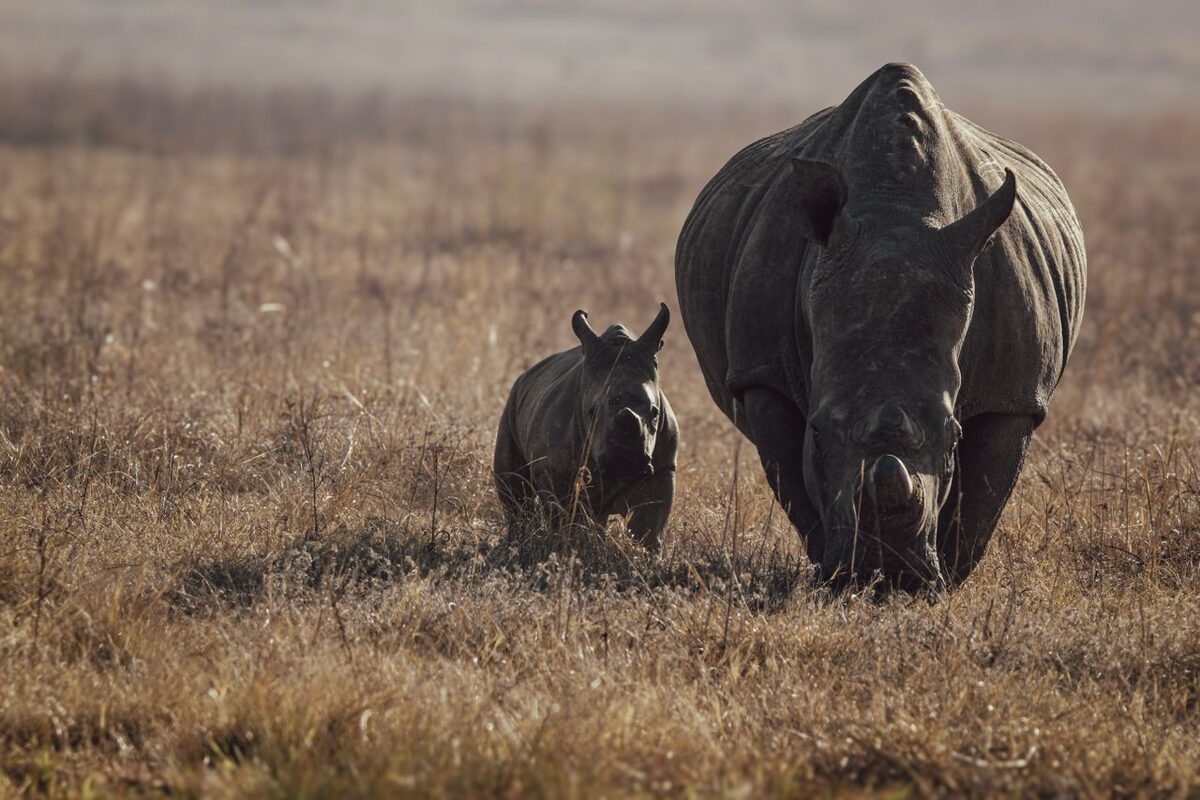
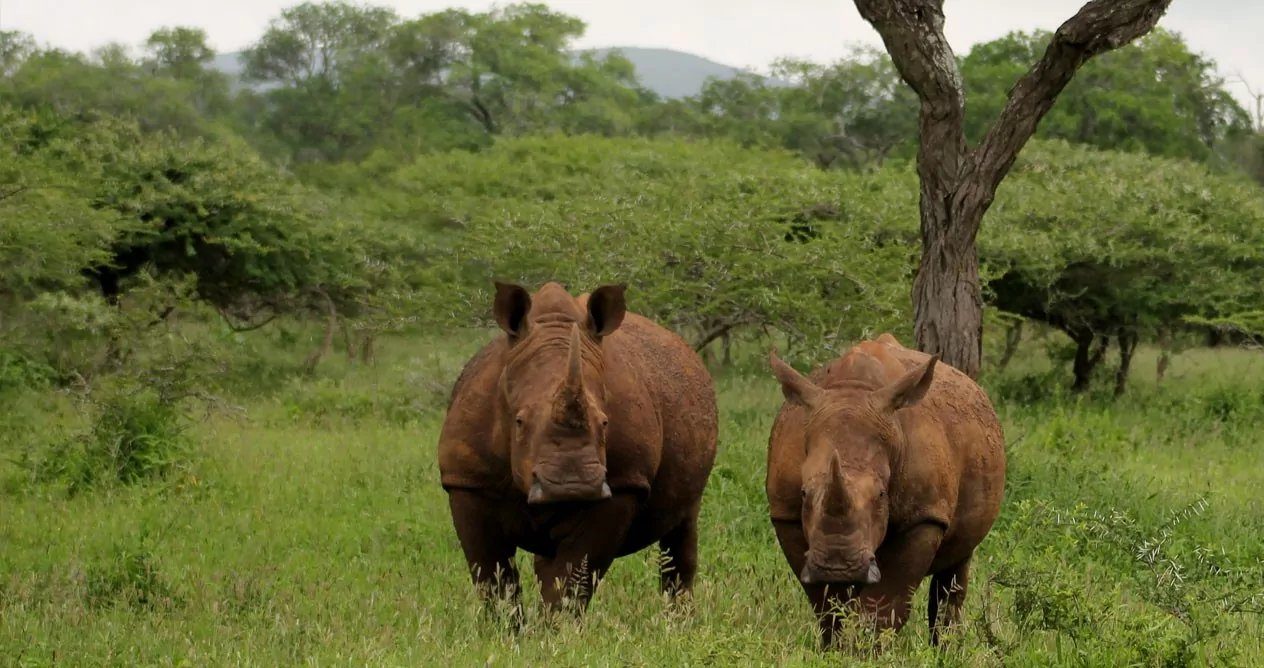
Both white and black rhino call uMkhuze home. The black rhino population here is one of only two original populations in KwaZulu-Natal, and animals from this reserve have helped re-establish populations elsewhere. White rhino graze on the open plains; black rhino browse in thicker bush.

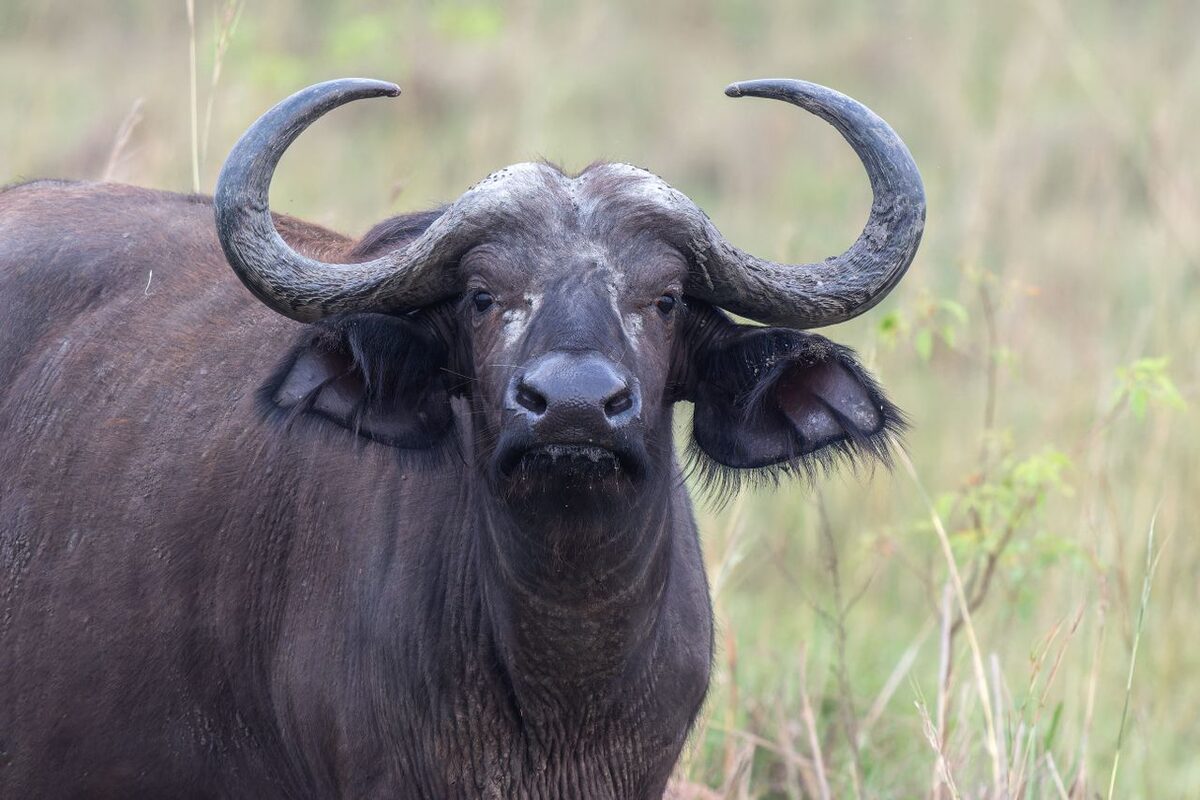
Large herds move through the reserve following the seasonal rains. Dagga boys (old solitary males) are frequently spotted near the pans. Approach with caution; they are unpredictable.

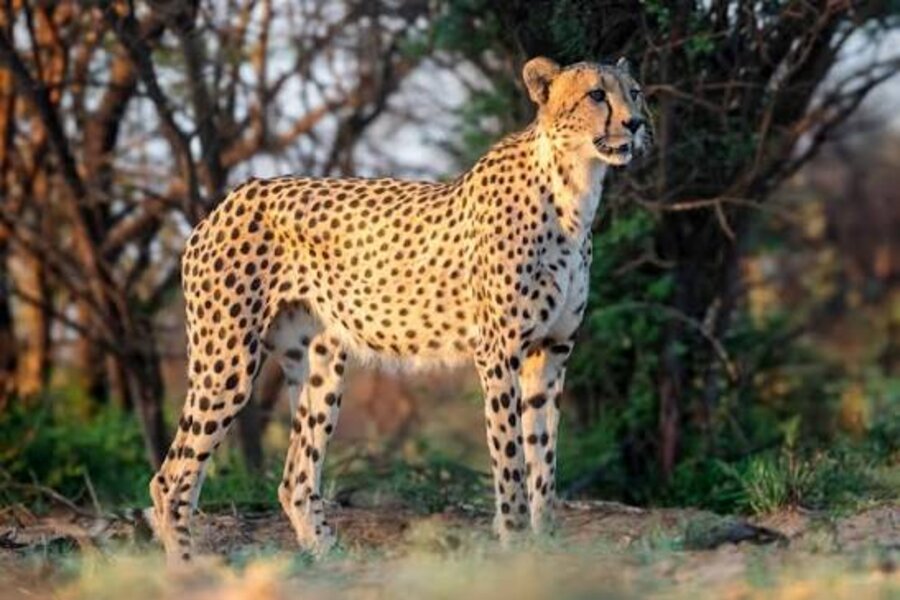
The world's fastest land mammal and one of uMkhuze's rarer, most prized sightings. Cheetah favour the open grassland and savanna where they can build up speed. Scan the plains in the cool of early morning.

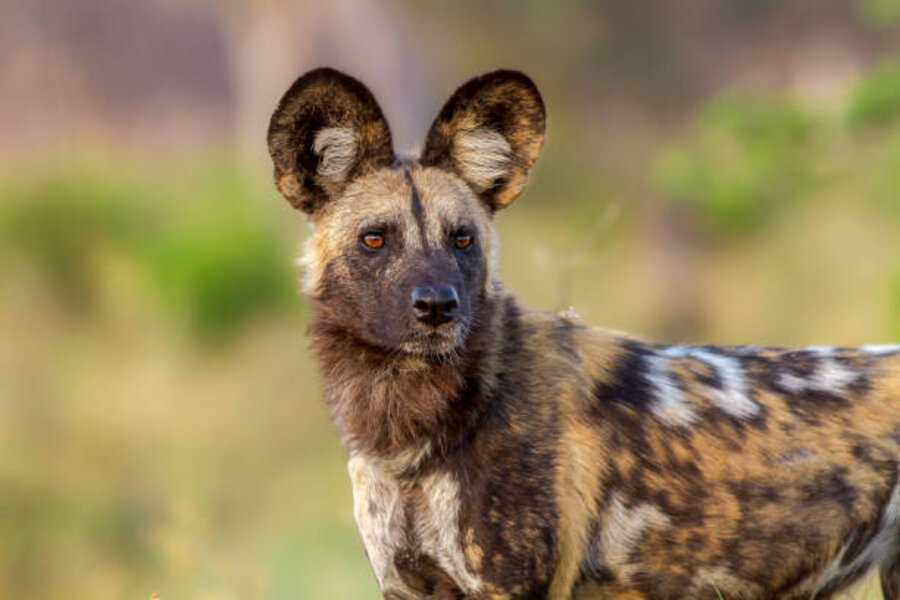
Africa's most endangered large carnivore — the painted wolf. These restless, tightly bonded packs cover huge distances on the hunt, and a sighting is special and never guaranteed. One of the Super Seven's true wild cards.
Self-drive is the heart of uMkhuze, but a guide opens another layer. These experiences are arranged through the camp; availability varies by season, so ask when you book. We're adding more all the time.
Step out on foot with a qualified field guide — tracking, birding and the small details you miss from a vehicle. The Lebombo Loop walk offers panoramic views.
Morning drives with an experienced ranger who knows where the lions denned last week and which pan the elephants are favouring.
420+ species and a network of waterhole hides. Specialist birding outings and photographic hide sessions are on the way.
From the thirty self-catering units of Mantuma Camp to the exclusive Nhlonhlela Bush Lodge and the relaxed Emshopi Campsite — choose the base that suits your trip. Tap any venue to explore its rooms, facilities and photos.

Thirty self-catering units — cottages, chalets, safari tents and rest huts — sleeping up to 84, in the heart of the reserve.

An exclusive eight-bed lodge above its own pan, booked as a single unit.

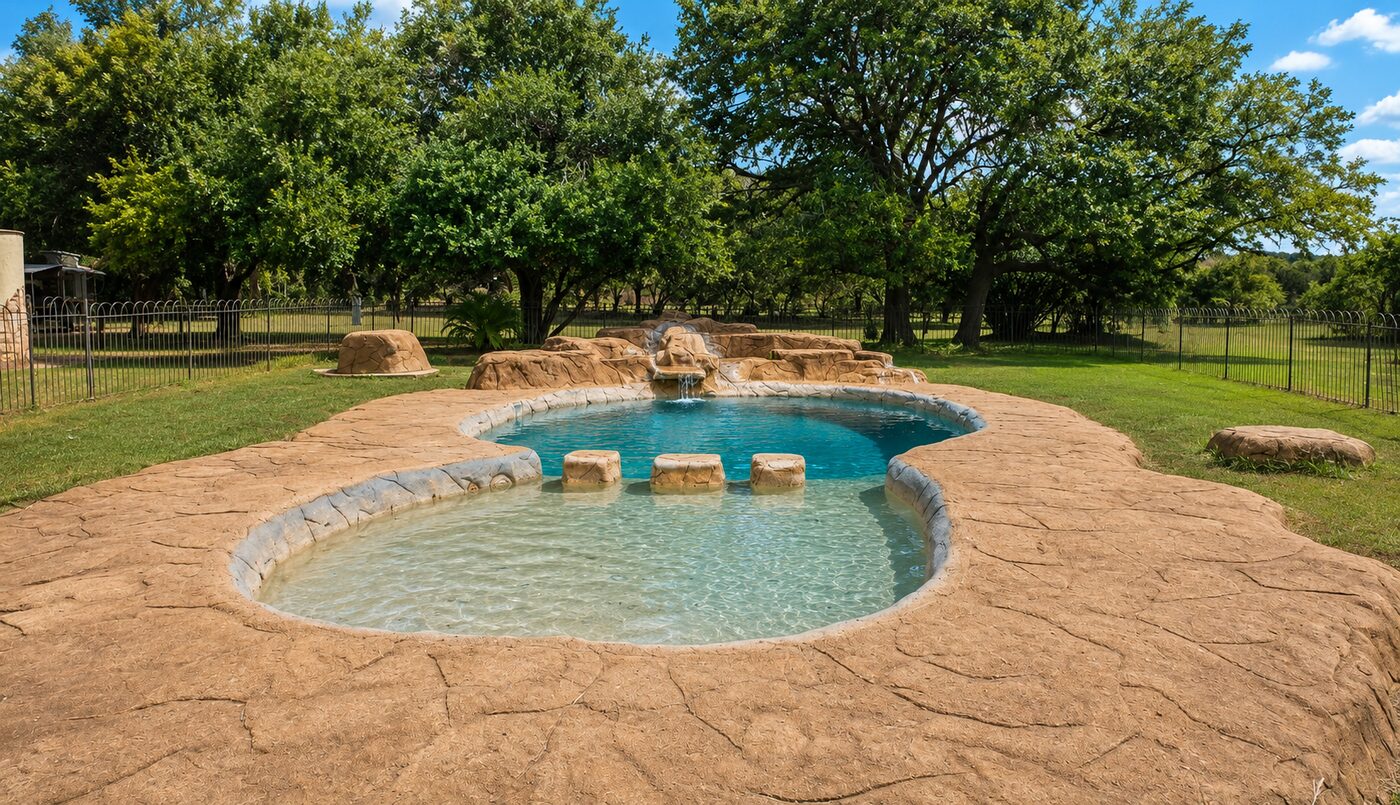
Thirty-five shaded stands at the western gate, with hot showers, power, a pool and a jungle gym.
The light at uMkhuze is the kind of soft gold that camera-phones can't quite catch, but here's a try.
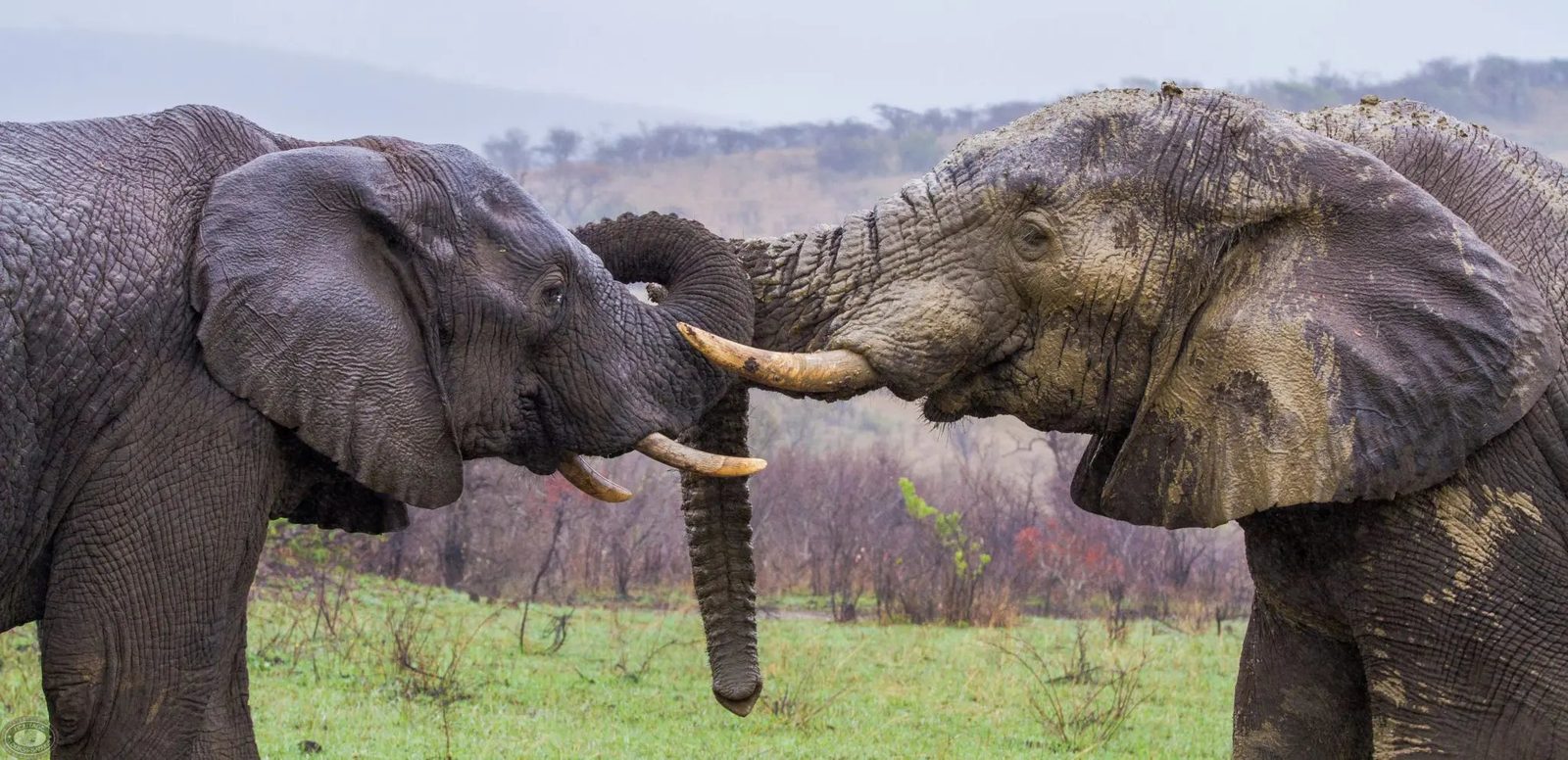
Two elephants meet
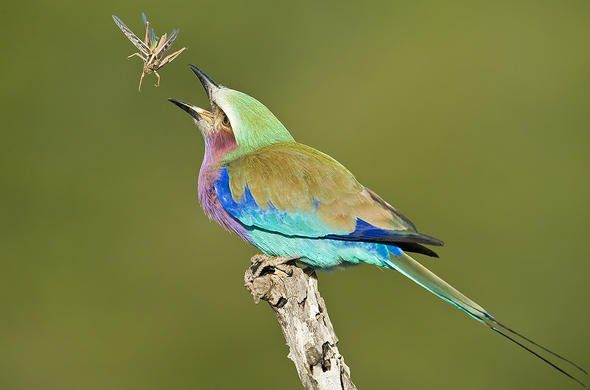
Lilac-breasted roller
White rhino in the green season
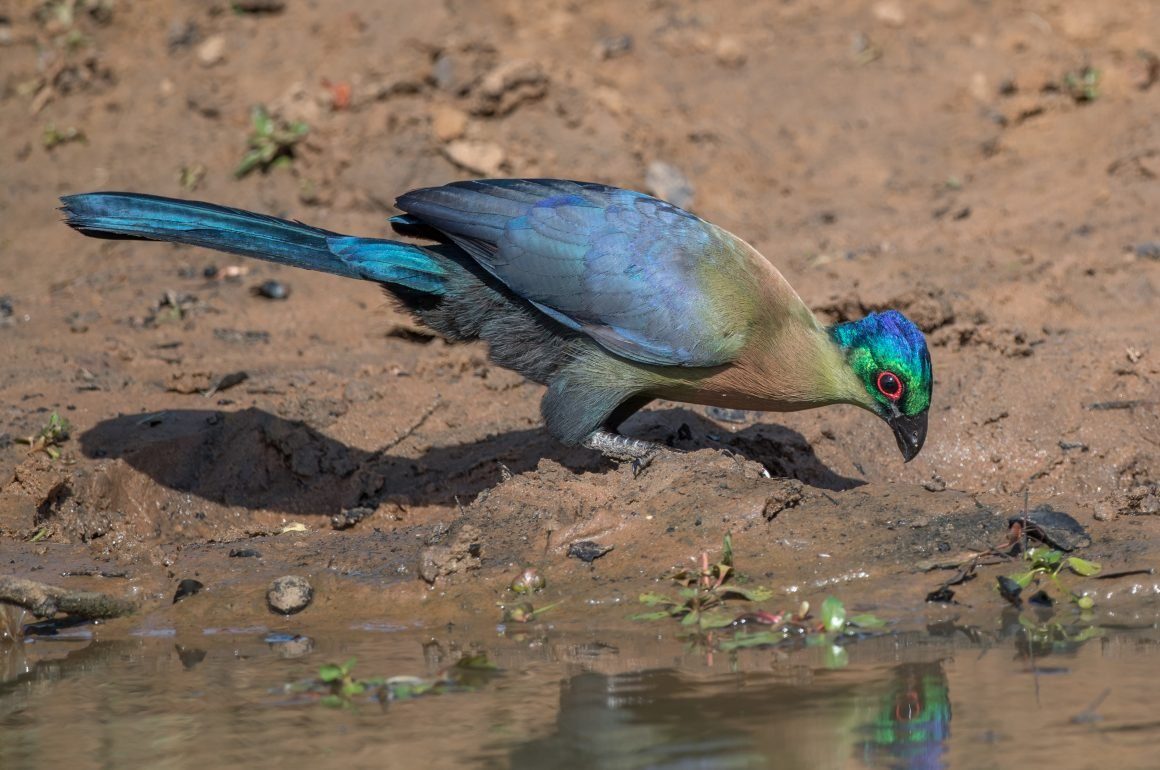
Purple-crested turaco
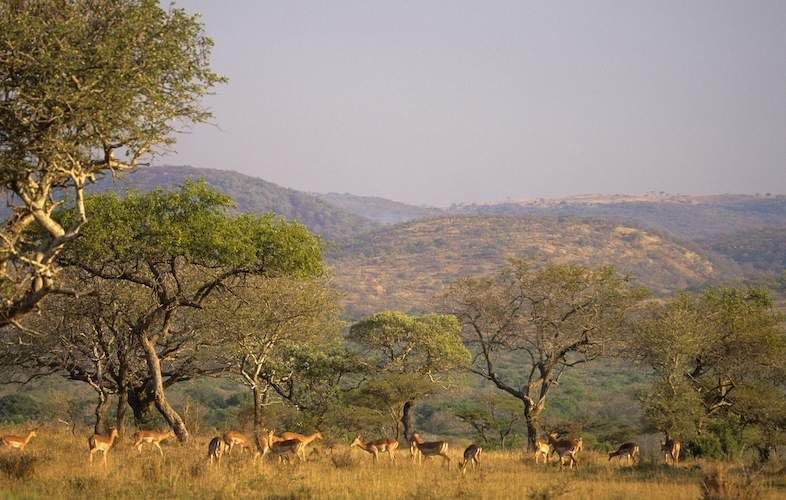
Impala on the plains
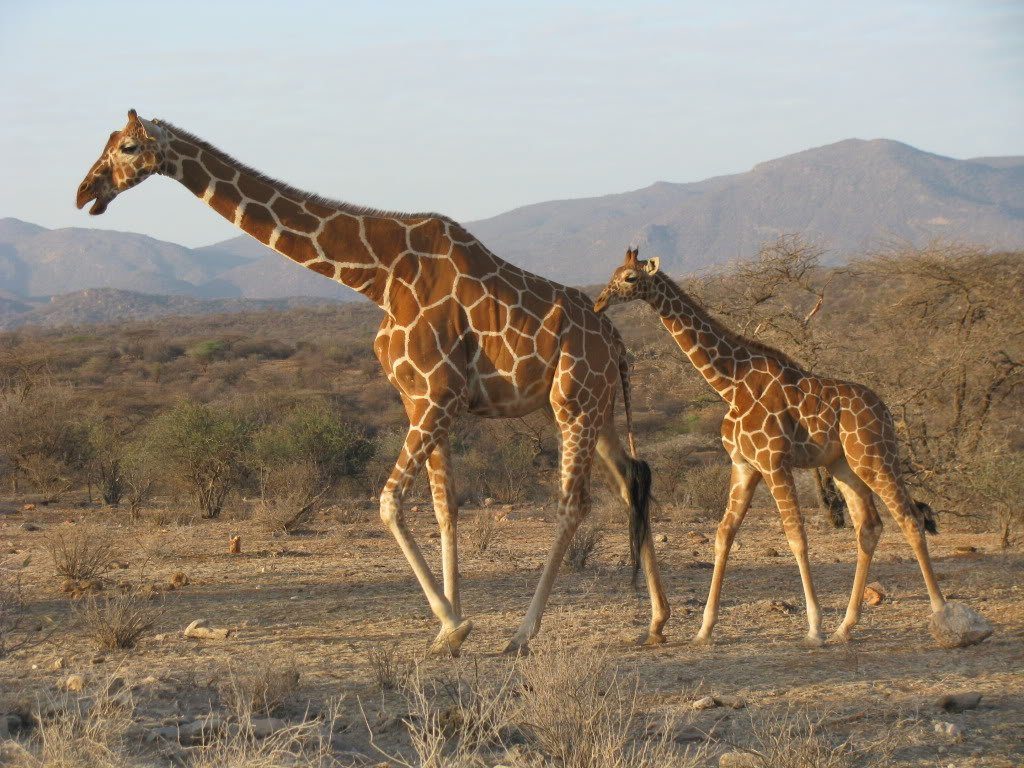
Giraffes browsing
Safari tents at dusk
Got away for a few days to Mkhuze in northern KZN. Remains my favourite wild destination, and for good reason. I really felt able to just relax and 'be': sit quietly in a hide, lounge by the pool with a book, catch up on some afternoon zzz's.
87 species of birds, including pink twinspots, broad-billed rollers and a host of kingfishers and bee-eaters, the wonder of swallows gliding past our hides. Tons of elephants. Time observing lions and cubs among the highlights. Never seen so many leopard tortoises. Truly a magical experience.
Field notes, sightings, photographs and small moments from the people who call uMkhuze home. Updated regularly by the team and our guests.
Sightings
Six o'clock, kettle just on. Two of the cubs walked past the bathroom block in single file, then a lioness, then the male, the one with the dark mane. Nobody had seen them in three weeks. They went south toward the river without looking up, took the loop road for about two hundred metres, and disappeared into the long grass below Beacon Road. No vehicles, no sound. By half past, you could only hear the doves.
Sightings
We came back four years before we got it. Three night drives along the Mkhuze River, our ranger patient, our necks stiff. Then on the second night of the fourth visit, after we'd quietly given up: a low whoof in the figs above us, and the spotlight found her. Curled along a high branch, eyes like brass coins, tail hanging down. She watched us for forty seconds. She turned her head twice. Then the dark folded around her again. We didn't speak the whole way back to camp.
From the camp
Because the nyala come right up to them at dusk and a young bull will press his velvet horn against the screen if you stay still. Because the bushbabies rattle along the thatch on summer nights. Because a genet once walked the length of the porch, slowed to look at the lamp, and walked on. The mosquito net keeps the small things out, the screen keeps the bigger things polite. Everything else, the impala stomping at twigs, the hyena somewhere south, is meant to come in at the windows. It's the whole point.
More stories will be added as the team writes them. Have one to share? Send it through and we'll consider it for publication.
Via eMshopi Gate (west, the main approach): N2 North to Mkuze town, then ~15 km on the signposted reserve road to the gate. Tarred all the way to Mantuma. Best for visitors coming from Joburg or up the N2.
Via Ophansi Gate (east, from R22 / Sodwana side): Branch off the N2 at Hluhluwe onto the R22, then take the D820 turn-off to Ophansi Gate. Convenient if you're combining the trip with Sodwana Bay or other coastal sections of iSimangaliso.
Drive times: ~3.5 hours from Durban · ~6 hours from Johannesburg · 30 minutes from Hluhluwe town.
Nearest airport: Richards Bay (~110 km).
Reception is small, friendly, and knows the bush well. Drop in for sighting tips when you arrive.
Reservations through Central Reservations.
At the lodge — assistance & info
Between the Lebombo Mountains and the iSimangaliso Wetland Park.
Or open the map in a new tab ↗
"35 km north of Hluhluwe, look for the signpost, and slow down. You're already on safari."
Everything you need to plan your visit to uMkhuze Game Reserve and Mantuma Camp.
The reserve has two entrance gates:
Both gates are clearly signposted from the surrounding road network. Mantuma Camp is the main rest camp, accessed easily from either gate.
Gate hours are seasonal:
Plan your arrival accordingly. Gates are strictly enforced and late entry is not permitted.
uMkhuze Game Reserve (Ezemvelo KZN Wildlife):
+27 35 573 9001 / +27 35 573 9004
Enquiries & Reservations (Central Reservations):
0861 010 347
mkuze@dreamresorts.co.za
At the lodge (assistance & info):
071 320 0566
hello@mkuzegamereserve.co.za
Park fees are charged by Ezemvelo KZN Wildlife over and above your accommodation and are not included in your room rate. You can add them at checkout when you book — if you don't, they must be paid at the park gate on entry.
Gate entry fee (per person, per day):
Vehicle entry fee (per day):
Accommodation levy: R15 per person. Conservation levy: R10 per person.
Fees are set by Ezemvelo KZN Wildlife and may be adjusted from time to time. The Wild Card and Rhino Card schemes are not accepted at uMkhuze.
May to September (dry winter): the bush thins out, animals concentrate around the pans and waterholes, and game viewing is at its best. Cool nights, warm sunny days. This is peak season.
November to March (lush summer): the reserve is green and full of life. Migrant birds arrive, flowers and butterflies abound; the best time for birding. Hot days, occasional thunderstorms, denser bush makes spotting predators harder but everything looks magnificent.
uMkhuze is in a low-risk malaria area, mainly in the wet summer months (November–April). Mosquito nets are provided in all units. Many visitors choose to take prophylactics in summer; consult your doctor or travel clinic before your trip. Standard precautions (long sleeves at dusk, repellent, sleeping under nets) go a long way.
The main reserve roads are well maintained dirt and accessible by any sedan or family car. Some side loops and the wilderness areas need higher clearance; a small SUV or 4×4 helps after heavy rain. There is no need to hire a 4×4 if you intend to stick to the main routes.
Yes. Mantuma is genuinely family-friendly. Most chalets and cottages accommodate children, and the self-drive nature of the reserve means parents can set the pace. Bird hides and the swimming pool at main camp are always a hit. We just ask that parents brief children on the rules: no leaving vehicles, no feeding wildlife, no running around campsite at dusk.
Yes. Every unit has a kitchen or kitchenette equipped with a fridge, stove, kettle, crockery and cutlery. There's a small camp shop for emergency supplies but it is limited, so stock up in Mkuze town or Hluhluwe before entering the reserve. Bring your own drinking water (camp water is fine for cooking and bathing).
Yes. Ezemvelo KZN Wildlife offers guided morning and night drives from Mantuma Camp on open game-viewing vehicles, led by experienced field rangers. These are bookable on arrival or in advance through the camp office. Self-drive is the default and works perfectly well, but a guided drive (particularly the night drive) is worth doing at least once for the spotlit nocturnal sightings: genets, bushbabies, owls, occasionally leopard.